1874 — 2024

150 Years of
Latino Service

From the first Latino Chief of Police in 1874 to the first Latina Deputy Chief in 2024 — explore the milestones that shaped LALEY and the LAPD.

The First Latino Chief of Police
Chapter IPioneers

The First Latino Chief of Police

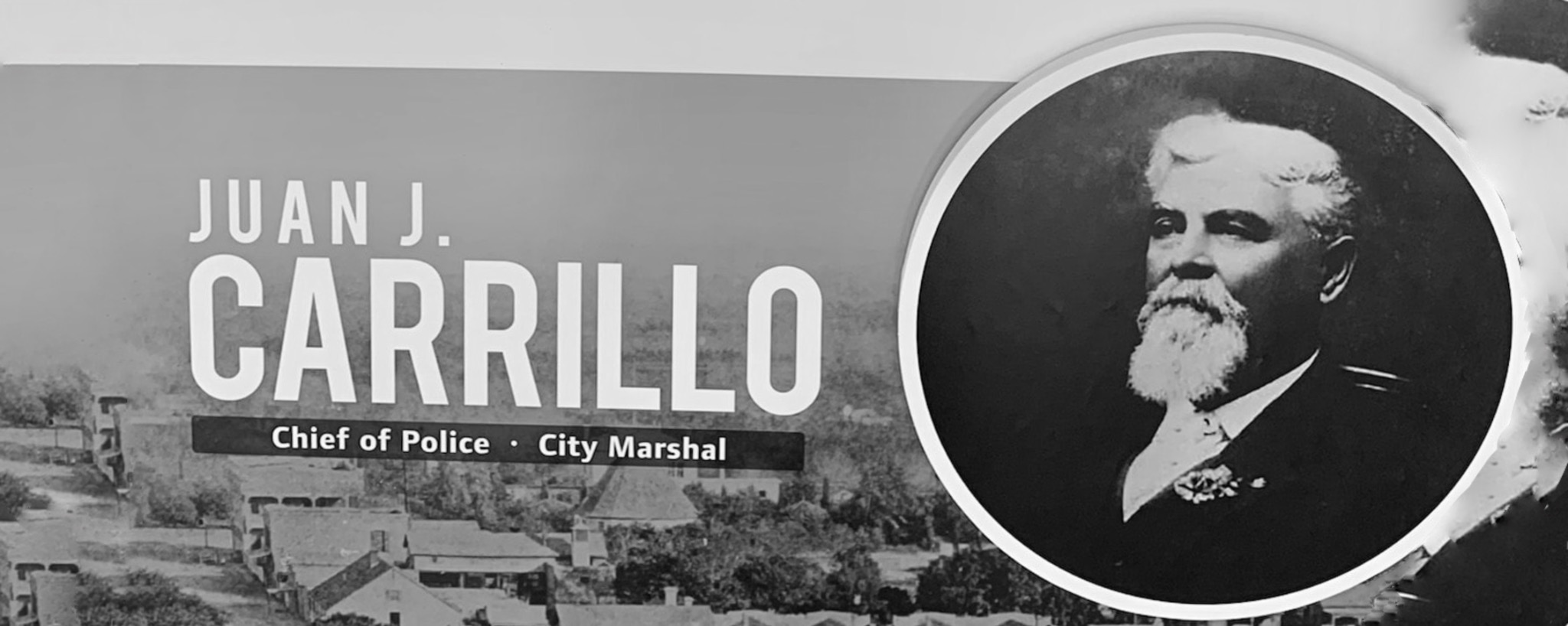
Juan J. Carrillo — City Marshal & First Chief of Police

Long before LALEY was founded, the seeds of Latino leadership in Los Angeles law enforcement were planted. Juan J. Carrillo served as the City Marshal in 1874 and later became the first full-time Chief of Police for the City of Los Angeles — a testament to the deep roots of Latino service in this city that would inspire generations of officers for over 150 years.

Historic Milestone
1874
1946
A Pioneering Latina Breaks Barriers
Chapter IITrailblazers

A Pioneering Latina Breaks Barriers

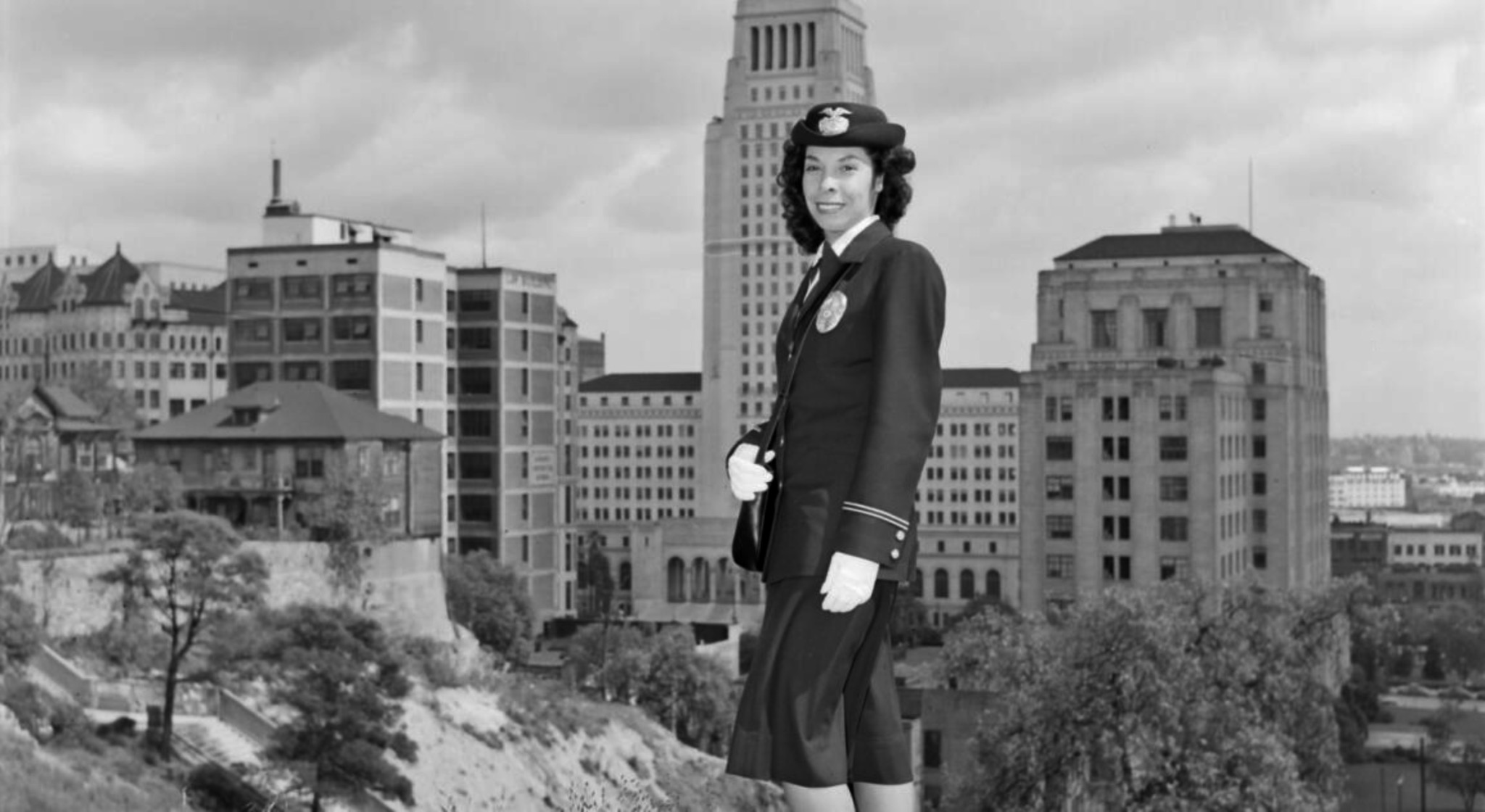
Josephine Serrano Collier — First Latina Woman Officer

In 1946, Josephine Serrano Collier became the first Latina woman to join the LAPD. She was the only woman of Mexican descent among the nine women officers hired that year, making her a pioneering Latina in law enforcement. Her courage and dedication opened doors for generations of Latina officers who would follow in her footsteps, forever changing the face of the LAPD.

The Birth of LALEY
Chapter IIIFounding

The Birth of LALEY

A Group of Officers Dares to Dream

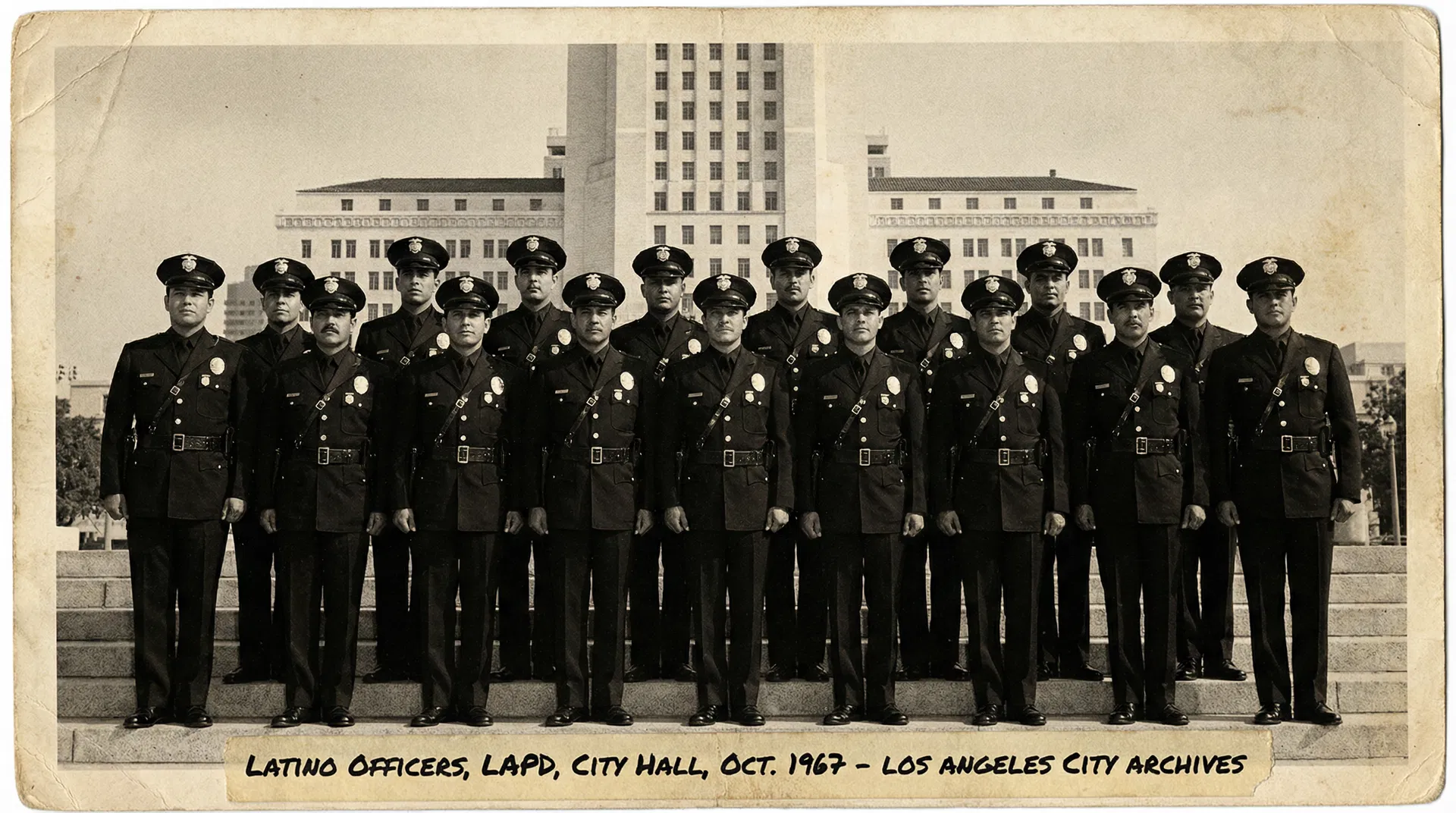
In 1967, a group of Los Angeles Police Department officers came together with a shared vision: to advance Latinos and other underrepresented groups within the Department. From this gathering of determined officers, the Latin American Law Enforcement Association — LALEY — was born. Their founding purpose was clear: to provide professional, educational, and social opportunities to its members, law enforcement, and the community at large.

Historic Milestone
1967
1971
The First Latino Captain
Chapter IVLeadership

The First Latino Captain

Rudy De Leon — A Founding Member Rises

Rudy De Leon, one of LALEY's original founding members, made history in 1971 by becoming the first Latino Captain in the LAPD. His promotion was not just a personal achievement — it was a validation of everything LALEY stood for. De Leon played a key role in community policing and is widely recognized as a historic figure in the Department's leadership.

Historic Milestone
The Hunter–LALEY Consent Decree
Chapter VJustice

The Hunter–LALEY Consent Decree

A Landmark Legal Victory for Equal Opportunity

In 1992, the City of Los Angeles entered into the Hunter–LALEY Consent Decree to resolve an employment discrimination lawsuit brought by African American, Hispanic, and Asian sworn personnel. This landmark agreement established programs designed to provide underrepresented minority officers with additional training and expanded opportunities for promotion and career advancement.

Historic Milestone
1992
1992
The First Latino Deputy Chief
Chapter VILeadership

The First Latino Deputy Chief

Robert S. Gil — History Made

That same transformative year, LAPD Chief Willie L. Williams appointed Robert S. Gil as the Department's first Latino Deputy Chief. This appointment, coming in the wake of the Consent Decree, signaled a new era for Latino representation at the highest levels of the LAPD. Gil's appointment was a direct result of LALEY's persistent advocacy and the systemic changes the organization had fought for over 25 years.

Historic Milestone
Ambassador of Goodwill
Chapter VIICommunity

Ambassador of Goodwill

Julio Gonzales — First Community Liaison Officer

Julio Gonzales was appointed as the LAPD's 'Latino Ambassador of Goodwill' in 2000. He was the first officer specifically tasked with community relations, making him the first Community Liaison officer in the department's history. This role reflected LALEY's long-standing belief that strong community relationships are the foundation of effective law enforcement.

2000
2015
The First Latina Commander
Chapter VIIICommand

The First Latina Commander

Commander Anne Clark — Breaking the Command Ceiling

In 2015, Commander Anne Clark became the first Latina Commander in the LAPD — another historic milestone made possible by the decades of advocacy, mentorship, and opportunity that LALEY had championed. Clark's achievement demonstrated that LALEY's mission was not just about entry-level representation, but about creating pathways to the highest levels of command.

Historic Milestone
The First Latina Deputy Chief
Chapter IXToday

The First Latina Deputy Chief

Deputy Chief Ruby Flores — A New Era Begins

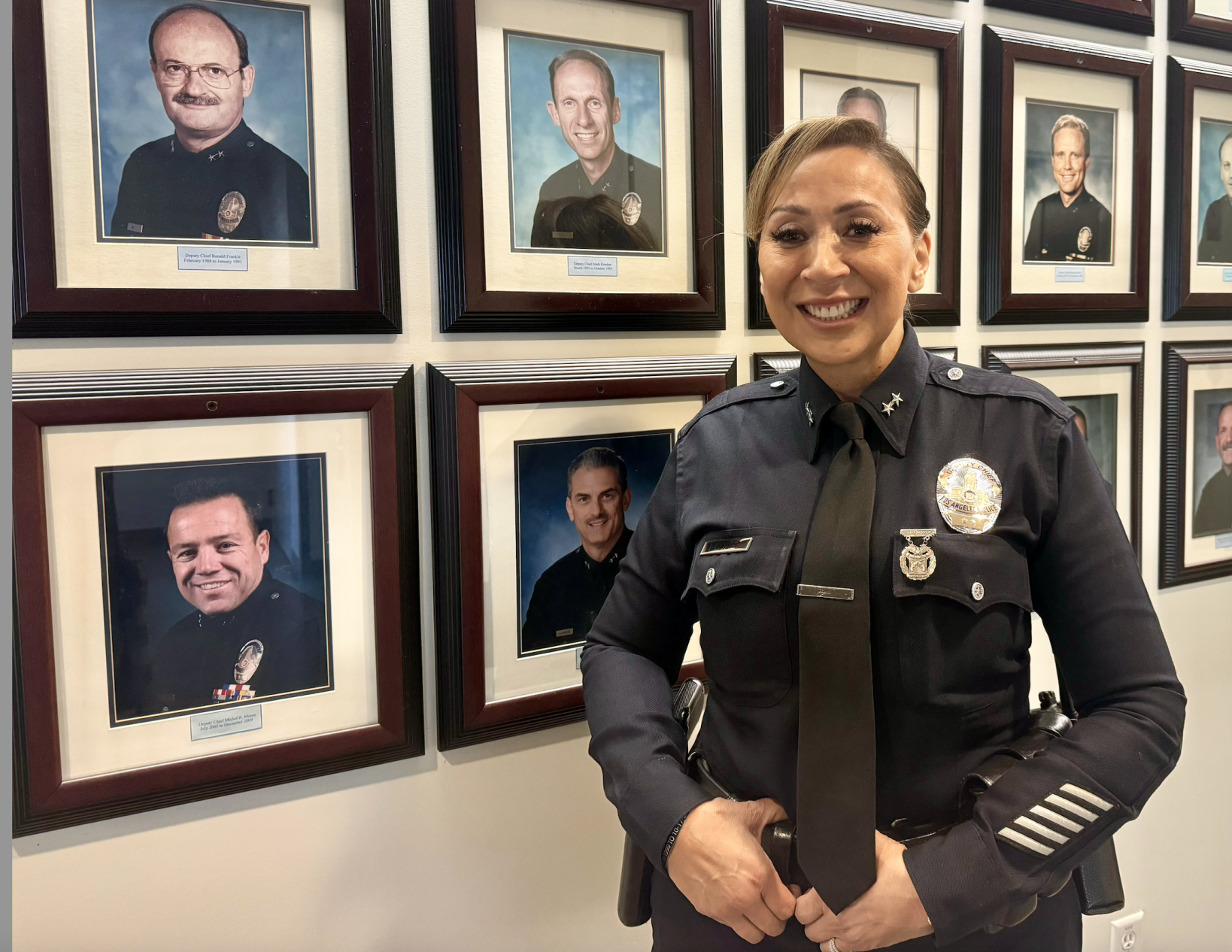
In January 2024, Deputy Chief Ruby Flores made history as the first Latina promoted to the rank of Deputy Chief within the LAPD. She also became the first woman to command the Operations-Valley Bureau, the largest operational command in the Department. Flores's historic appointment is the culmination of 57 years of LALEY's unwavering commitment to breaking barriers and opening doors for underrepresented officers.

Historic Milestone
2024
A LALEY Pioneer

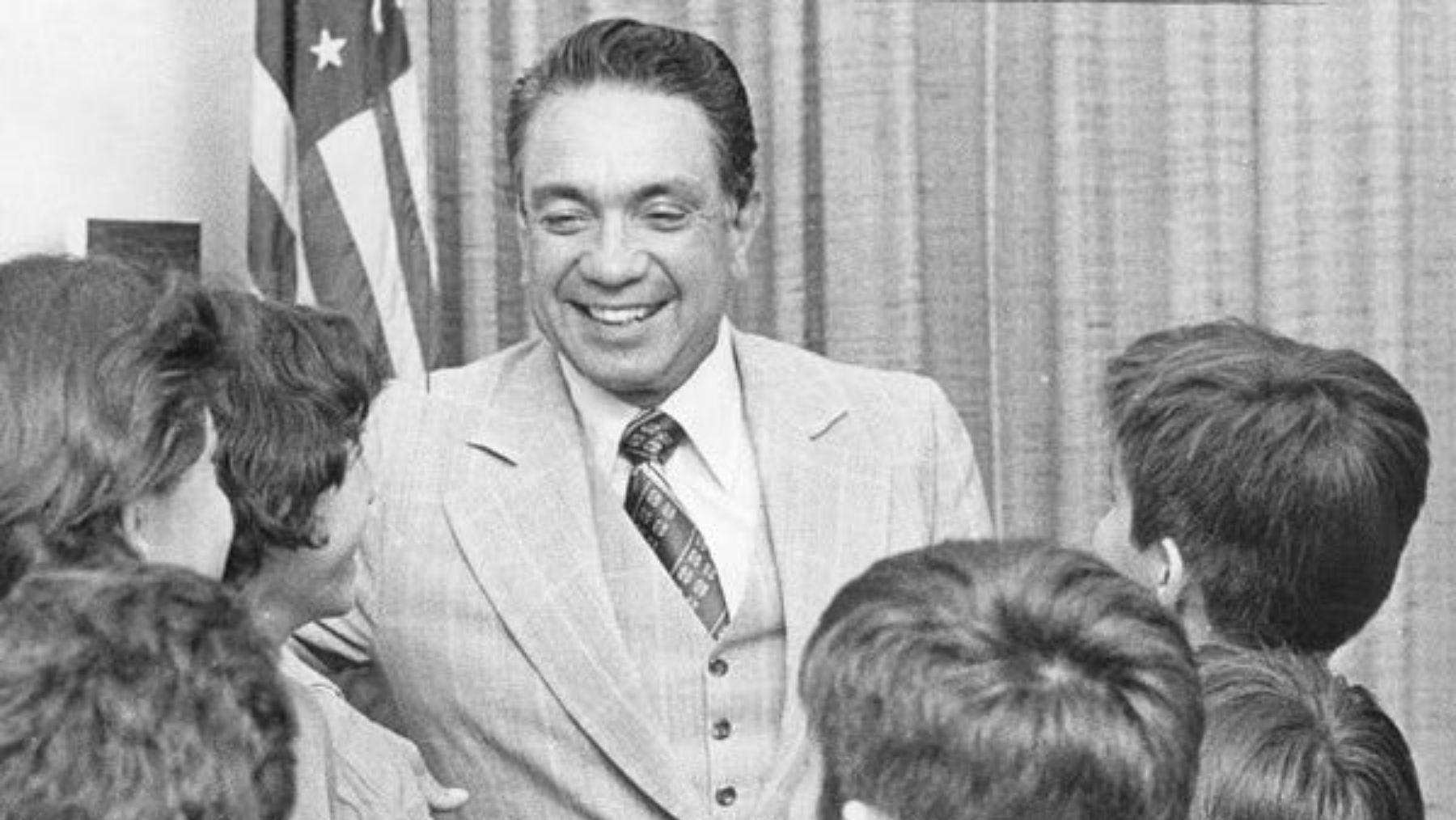
Julio Gonzales

"There was another legendary cop in Palo Verde, but in a different way. His name was Julio Gonzales... Julio Gonzales joined the small pantheon of outsiders who earned the trust of Palo Verde."

— Eric Nusbaum, Stealing Home

Honored by Mayor Richard Riordan and LAPD Chief Bernard C. Parks as the department's "Latino ambassador of goodwill" and "pioneer and mentor" for his work from 1953 to 1967.

— Los Angeles Times, Dec. 14, 2003

Julio Gonzales was a pioneering Latino leader in the Los Angeles Police Department and one of the earliest champions of the values LALEY would be built upon. A native of Clifton, Arizona, reared in East Los Angeles, Gonzales joined the LAPD in 1947 and was assigned to the Training Division at the Police Academy in Chavez Ravine — before Dodger Stadium displaced the neighborhood of Palo Verde.

He became the first LAPD officer charged with reaching out to the Latino community, conducting programs on Spanish-language television (KMEX-TV Channel 34) and radio, and speaking to Latino organizations across the city. But his most lasting impact was in Palo Verde, where he went door-to-door, built a youth club, organized baseball and football teams, took boys on overnight trips to the mountains, and found corporate sponsors to pay for school buses and snacks. Because of Gonzales, the LAPD academy — previously off-limits — slowly opened its doors to the kids of Palo Verde.

In 1967, Governor Ronald Reagan appointed Gonzales to the board of the California Youth Authority, where he served two four-year terms. In 1982, President Reagan named him U.S. Marshal for the Los Angeles-based Central District, overseeing a staff of 50 for the area's federal courts. He retired in 1988.

Throughout his life, Gonzales raised thousands of dollars for the Armando Castro Scholarship Fund to support East Los Angeles youth in higher education. He died on December 5, 2003, at age 86. The youths he mentored — now in their 60s — still gather and revere him for the attention and training he gave them.

1947
Joined LAPD
1953
Community Relations
1967
CA Youth Authority
1982
U.S. Marshal

The Story Continues

Every officer who joins LALEY becomes part of this living history. The next chapter is being written today — by you, by us, together.